On June the 21st England plans to come out of lockdown. I have seen many memes and jokes about what people may wear or do. As much as this is wonderful news for many, it's also terrifying for others. One of the things we know about a time of crisis is that it’s not the event itself but the fall-out. That's why it's called POST-traumatic stress.
If you are concerned about your mental health in the lead-up and/after lockdown, please know that this is completely understandable considering the distress that the pandemic has caused. Remind yourself that this is still an abnormal situation and that your pace is as valid and important as anyone else.
If you are someone who isn't going to struggle once lockdown has been lifted, please still be aware that others may.
Be mindful of your friends and family and their level of comfort in socialising. Try to be empathetic, understanding and flexible.
Mental health professionals are cognitive that the deterioration in mental health could linger long after the pandemic has subsided. Studies suggest that therapists who have been exposed to the same traumatic conditions as their clients can experience long term emotional distress. So let's pace and be gentle with ourselves. With a 31% increase in anxiety in the US and a 9% increase in depression in the space of a year, these stats aren't going to shift dramatically when restrictions are eased.
The knife is still in the wound. And it's not until it's removed that we can assess and treat the damage. So in the meantime let's go easy on each other and ourselves.
Every year I post a pic of this tulip that somehow manages to thrive from the side of the driveway against a wall. Today I discovered that there are two more pals with it!
Heidegger (in Hermeneutic Phenomenology) encourages us to make our own meaning in the world: 'being-in-the-world' which isn't about our processes, behaviours or about things, rather an embodiment or essence.
Honing into the way things appear to us and deriving our own meaning. So rather than giving you a spiel about what this tulip may or may not represent; make your own meaning, because that's what life is all about!
Something we see quite often on social media is the sentence "couples that.....workout/travel/adventure (etc)......together stay together." (Look up the hashtag and you'll see plenty more examples) But relationship longevity is more complex than a hashtag can determine.
Although aspects of this are true; common goals, values and hobbies, are important in a relationship. This doesn't suffice as reasons to stay together! Relationships are much more multifaceted than that. Plus it's not what you do, but HOW you interact with each other during it.
@gottmaninstitute would say that couples who are attuned, turn towards each other, fight fair, can differentiate, continue to court and choose each other daily. These are some of the ingredients needed for a couple to 'stay together'....it just doesn't sound as sexy in a hashtag!
Finally, I would also remind you that Instagram is a highlight reel, and those highlights include relationships. Please don't compare yourself to other couples, know that you're not seeing behind the scenes.
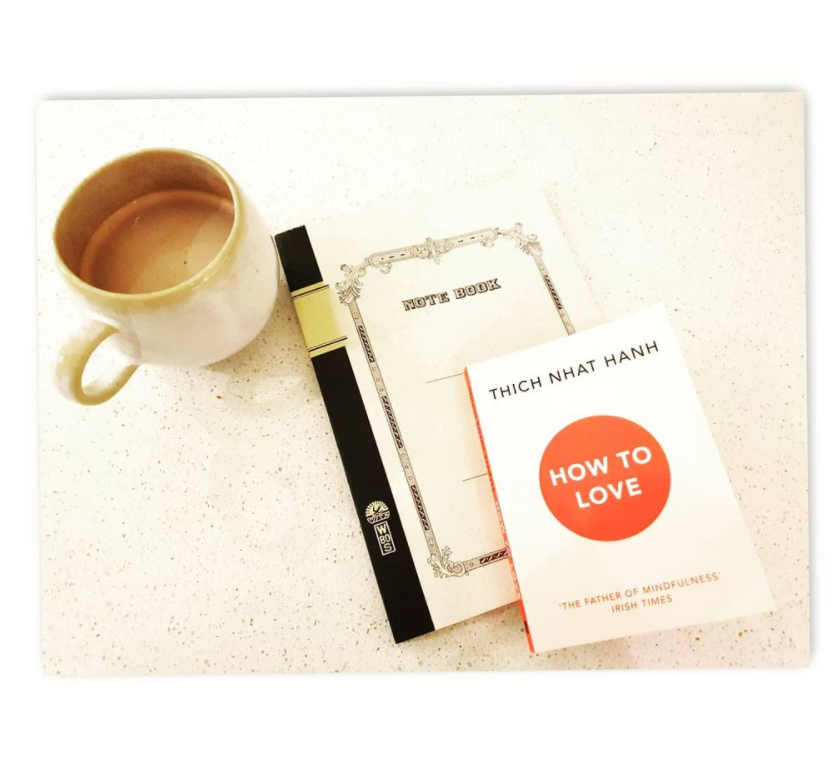
I try to collect little thoughts that I may have; musings I suppose. I tend to write them everywhere, books I'm reading, notes on my phone, scraps of paper, on different apps, my diary. I often stumble upon a scribble every so often randomly and struggle to make sense of it! I have a special interest in gathering thoughts around connections and relationships. Over the last 6 months, I have been adding to this notebook, collating my scraps of paper and navigating my way through my apps, (there are about 20 pages now!) I've tried to spin them into questions that could be posed to clients, or anyone really, on how to reflect (individually and collectively) on relationship dynamics.
I'm not into resolutions, and definitely won't be making any this year...except to make sure I pass my first Doctorate year! But I think I will try to be more mindful to write down these thoughts in this notebook from now on. It may happen, it may not! Maybe I'll do something with them, maybe I won't! The fact that they're in the notebook is all that counts right now!
I also wanted to add in a book. As a visual learner and someone who finds metaphors really insightful and helpful. This little book by @thichnhathanhsangha is invaluable
Premature ejaculation is prevalent between 15-25% of men.* It is the most often reported sexual complaint in those with a penis who are under 60 years. In penis owners with PE, the ejaculation occurs before they wish it to.
Some people complain of PE although they last 5–10 minutes and some others consider their ejaculation time normal even if it is between only 1–2 minutes. So really it’s about you and your feeling towards it and whether it’s causing you upset.
There are LOTS of ways to get help with PE.
Some medications, for example SSRIs (antidepressants) can be used off the label and often help. Please attend your doctor and have a conversation with them about your options.
Numbing creams and condoms may help to reduce sensations.
Kegal and pelvic floor exercises can be done daily to help.
I recommend mindfulness too: @calm and @headspace are great apps.
If you have been struggling for a while and find it distressing or having an impact on your sex life then maybe sitting down with a Psychosexual Therapist and getting support could be a good idea.
There can be exercises given (Stop/start technique or Squeeze technique Self-sensate is a great tool also). Working alongside some CBT and gaining an understanding as to what may be happening for you.
Alongside this, couple therapy can be of great benefit with Sensate Focus being used to take the pressure off ejaculation, decreasing anxiety and cultivating intimacy alongside helping with communication.
McMahon CG, et al. An evidence-based definition of lifelong premature ejaculation: report of the International Society for Sexual Medicine (ISSM) Journal of Sexual Medicine-2008; 5(7)
*this study was limited to cis-gendered men.
To give, to receive, to tolerate, to empathise, to fear, to love.... When we stretch our emotions it can give us the capacity to connect with ourselves and release emotional turbulence. We can expand our ability to relate and foster our growth with others too. When we sit with our discomfort (our shadow self), reaching in deeper, we give the opportunity for it to expand us, hindering the possibility of emotional atrophy.
Imagine how much more we can achieve and be!
Spectatoring' was a term coined by Masters and Johnson in the 1970s which describes someone being focused on themselves in the third person, rather than free in the moment.
Spectatoring disrupts our central nervous system and creates detachment and anxiety. And anxiety and sexual pleasure aren't great pals.
Practicing mindfulness is a great tool so as to not judge thoughts popping into our heads and analysing them. Another great way to get back in the moment is to bring yourself into your awareness; what can you see? What can you feel? Name 3 things of each.
Something I work on regularly in therapy sessions is intimacy. Intimacy usually denotes mutual vulnerability, openness, and sharing. It can refer to a single interaction between two people, or to a long-term pattern of closeness and warmth. Intimacy can help people feel less alone and more loved. However, also requires a great deal of trust and vulnerability, and some people find this frightening and overwhelming. Many people struggle with intimacy, and fear of intimacy is a common concern in therapy.
When one person isn’t in the mood, it doesn’t mean connection and intimacy has to stop. It doesn’t need to result in feelings of rejection, tension or distance. Instead perhaps ask “what would you like to do instead?” or "instead could we.....?" Intimacy can be cultivated in many ways, not just isolated to the bedroom. In fact, looking at alternative ways to connect can foster the sexual relationship too. Cuddle up on the couch, give a massage, spend some time kissing.
So next time one of you isn't in the mood for sexual intimacy, instead of turning away from each other, try conjure up a way you can still connect.
Public Health England survey of more than 7,000 women last month found that half of the respondents aged between 25 and 34 did not enjoy their sex life. The percentage dropped to 29% among 55- to 64-year-olds, suggesting that sex for women gets better with age.
Here are a few reasons as to why that is believed to be true:
1. People get more confident with age.
2. Genital primes are much different to sexual primes.
3. Married/long-term relationships=better sex.
4. Sexual satisfaction increases with age.
5. You get to know your body better as you get older.
Let’s talk about sexual dysfunction and anti-psychotics. Because let’s be fair, when do we? With a BSc and MSc in psychiatry and I have sat in clinic rooms whereby people with a diagnosis of a chronic mental illness, have their sexual concerns ignored. People struggling with an enduring mental illness are often ignored and clinicians minimise frustrations with sexual functioning claiming that managing the illness is more important. This is not only incredibly dismissing of needs but also increases the likelihood of wanting to take meds (I refuse to use the terms “non-compliance/adherence”).
If you can prescribe and/or work within the mental health field. I implore you to listen to the person in front of you and help them through the distress of a dysfunction and hear them in the importance of their sex life. Also be mindful of other medication that may be available, antipsychotic drugs most associated with dysfunctions are olanzapine, risperidone, haloperidol and clozapine. On the other hand, perphenazine, quetiapine and aripiprazole are associated with relatively low rates of SD.
However, if you are like me, you may not be able to prescribe, but that doesn’t deny us from being an advocate, that doesn’t deny us from educating ourselves on the impact and side-effects of medication, that doesn’t deny us from empathy and compassion.
If you are reading this and struggling with a mental health diagnosis that is impacting on your sexual health, if you can talk to your physician, please do so. You are worthy of a happy healthy sex life. Reach out to a psychosexual therapist who may be able to help navigate through some challenges.
Everyone is deserving of sexual pleasure.
I thought I would do a post on anti-fat bias within psychotherapy. Therapy should be a safe space for all, but as we know us therapists are not immune to bias. Fatphobia and sizeism are present, we can’t and shouldn’t deny that.
We are ethically bound to advocate for body liberation, without it we negate working holistically or even adequately to support clients. This maintains stigma, isolation creating corrosive damage.
Anti-fat bias, sizeism and body-based oppression are forms of; microaggressions, assumptions and shaming. Therapists with stronger anti-fat bias were more likely to attribute weight to behavioural causes, express frustration about fat clients, and perceive poorer treatment outcomes (Puhl, 2013).
Here are some ways to be a body liberating therapist.
1. It is not enough to be aware of biases, we also need to 𝐦𝐨𝐯𝐞 𝐭𝐨 𝐚𝐜𝐭𝐢𝐨𝐧; advocating, allyship, accessibility and accountability.
2.𝐈𝐬 𝐲𝐨𝐮𝐫 𝐭𝐡𝐞𝐫𝐚𝐩𝐲 𝐬𝐩𝐚𝐜𝐞 𝐢𝐧𝐜𝐥𝐮𝐬𝐢𝐯𝐞? Reflect on your therapy set up; from furniture to accessibility.
3.𝐈𝐧𝐭𝐞𝐫𝐫𝐨𝐠𝐚𝐭𝐞 𝐲𝐨𝐮𝐫 𝐯𝐢𝐞𝐰𝐬 on body image, diet culture and beauty standards.
4.𝐀𝐬𝐤 𝐪𝐮𝐞𝐬𝐭𝐢𝐨𝐧𝐬; be mindful of where you avoid, negate or change your language and tone that may maintain stigma.
5. Weight stigma falls into western beauty standards, is intersectional. Challenge how you work with 𝐢𝐧𝐭𝐞𝐫𝐬𝐞𝐜𝐭𝐢𝐨𝐧𝐚𝐥𝐢𝐭𝐲, 𝐭𝐡𝐞 𝐨𝐩𝐩𝐫𝐞𝐬𝐬𝐢𝐨𝐧𝐬 𝐚𝐧𝐝 𝐩𝐫𝐢𝐯𝐢𝐥𝐞𝐠𝐞 𝐲𝐨𝐮 𝐦𝐚𝐲 𝐡𝐨𝐥𝐝. Hold yourself to account.
6.Look at your social media feed, 𝐰𝐡𝐨 𝐝𝐨 𝐲𝐨𝐮 𝐟𝐨𝐥𝐥𝐨𝐰? Do you follow any fat individuals? If not, why? Listed below are some brilliant people.
7.𝐄𝐝𝐮𝐜𝐚𝐭𝐞, my fav books are 'FAT! SO? : Because You Don't Have to Apologize for Your Size' and 'You have the Right to Remain Fat'
𝐓𝐡𝐞𝐫𝐚𝐩𝐢𝐬𝐭𝐬, 𝐢𝐟 𝐰𝐞 𝐚𝐫𝐞 𝐧𝐨𝐭 𝐝𝐢𝐬𝐦𝐚𝐧𝐭𝐥𝐢𝐧𝐠 𝐰𝐞 𝐚𝐫𝐞 𝐜𝐨𝐥𝐥𝐮𝐝𝐢𝐧𝐠 𝐚𝐧𝐝 𝐭𝐡𝐚𝐭 𝐢𝐬 𝐭𝐡𝐞 𝐚𝐧𝐭𝐡𝐞𝐬𝐢𝐬 𝐨𝐟 𝐞𝐦𝐨𝐭𝐢𝐨𝐧𝐚𝐥 𝐰𝐞𝐥𝐥𝐧𝐞𝐬𝐬.
Yesterday I discovered how pearls are made.
Pearls are created by oysters as a natural defence mechanism against an irritant entering their shell or damage to their fragile body.
The oyster slowly secretes layers of materials that make up its shell. This creates a material called nacre, also known as mother-of-pearl, which encases the irritant and protects the mollusc from it.
The challenges that oysters face, trying to protect themselves from harm creates something so beautiful that us humans buy and cherish, wearing on our body to be adorned.
It got me thinking; how often do we look at situations or experiences that have been difficult and create a narrative that we are damaged, defective or broken?
That instead can we try look at ourselves as oysters, that the end result of these protective measures creates something beautiful, unique and to be treasured; our own magical pearl.
Today in the NY Times there was an article on Teletherapy (online therapy) and the increase since COVID, with 3/4 of therapists offering online only. Which got me reflecting: When I first started online therapy about 5 years ago, I remember having conversations with some therapists who vocalised their discomfort and resistance around it; some questioned the ethics, others the validity.⠀
I am a great believer in the importance of therapy being accessible for all. Sessions conducted online allow for people with disabilities or illnesses to have therapy without leaving their home. Individuals who live remotely or travel for work can have easier access. Not to mention for those with social anxiety, who are transitioning and may feel uncomfortable or fearful leaving their home. It can also be offered at a lower cost.⠀
I am not going to sit here and deny the limitations; technological issues, dropped calls, frozen video, body language and cues can be missed more easily, or perhaps the client can’t get a confidential spot. But as a therapist who not only conducts therapy online but equally receives it, the benefits really outweigh the limitations.⠀
Research that has been conducted over the years, has consistently displayed that online therapy is clinically efficacious and equivalent to traditional therapy. As much as I love seeing clients face to face, with the accessibility that online therapy offers, I am hoping that not only does it stay as a common place, but that it flourishes.
A Tampax ad was banned in Ireland this week. This was due to them describing how to ensure tampons were inserted correctly and comfortably. Most of us who have our periods can understand the discomfort and pain created and maintained by the improper placement of a tampon. Information that is received in schools is not always sufficient in educating on how to use tampons. Alongside this in some homes there is a lack of conversation around periods. Ads like Tampax put out are so important to educate and normalise conversations around periods.
So incase anyone wants some tips on inserting tampons, here you go!:
Try different positions; one foot on the toilet lid, squatting over the toilet, lying down with one knee towards your chest.
Before inserting, take a few deep breaths to relax and unclench your muscles.
Try different types of tampons too, you don't have to be stuck inserting with your finger.
Menstrual fluid should be enough to lubricate for tampon insertion. But if it's not, there is no harm in using lube.
If there are a lot of white, untouched areas on the tampon after removing it between 4 to 8 hours, try a lower absorbency tampon. On the other hand, if you bleed through, try a heavier absorbency.
Finally, maybe tampons aren't right for you. That's ok! Period pants, sanitary towels, cups are just some other options.
If there is consistent pain, difficulty removing or you're unable to insert your tampon, take a trip to your GP and get a check in case something else is going on that requires medical attention.
Let's stop minimising phrases that encourage power play, manipulation and gaslighting. Attempting to engage with someone by creating a dysregulation and instability, ultimately chipping away at self-esteem is not only harmful and toxic but abusive.
"Treat them mean, keep them keen" is a long standing phrase that is riddled with emotional abuse, and can be incredibly damaging for the person on the receiving end. We need to challenge and dismantle this narrative and encourage open, honest dialogue built on fundamental, mutual respect.
A study carried out (linked below) explained that greater dissatisfaction with genital appearance was associated with higher genital image self-consciousness during sex, which, in turn, was associated with lower sexual esteem. Labiaplasty has been on the rise. It is the most common form of female genital cosmetic surgery and involves the surgical reduction of the Labia minora (the inner lips of the vulva). You may also know it by a few different names: 'vulva reshaping', 'vulva and vaginal rejuvenation', 'designer vagina' and even 'the barbie doll'. The most common motivator for surgery is, aesthetic concerns (71%), followed by physical/functional (63%) and sexual reasons (38%). Furthermore (39%) had experienced teasing in regard to their genital appearance, predominantly from ex-partners. Comparative scrutiny includes vulvas and there are ramifications to that.
Playboy and Vulvas......For my next post I will be writing about labiaplasty, but I thought I would share some insight into a study I discovered while doing research. I found a paper that outlines changes of vulvas from the 1960s to 2013 in playboy magazine centrefolds. They studied over 493 magazines and discovered the vulva was fully exposed from 𝟎 instances in the 1950s to 𝟕𝟖.𝟔% in 2013. Alongside this is the grooming ( minimal to no hair) grew from 𝟏𝟏.𝟒% of images from the 1990s to 𝟕𝟖.𝟓% from 2010. Now, there isn’t a write up on what these vulvas look like, apart from bald or minimal hair! But they did say that it seems that Playboy digitally alters the image to fit into the "western ideal beauty standard".
Placik, O. J., & Arkins, J. P. (2014). Plastic surgery trends parallel Playboy magazine: the pudenda preoccupation. Aesthetic Surgery Journal, 34, 2
My gratitude journal sits by my bed. Every night I fill in two pieces: 1. What was my soul moment that day. 2. What am I most thankful for that day.
This journal has been transformative for me both personally and professionally. Not only does it help me fall asleep in a more positive manner, it also facilitates me waking up in a better mood (and I am NOT a morning person!) Equally it challenges me to be more mindful of my actions towards others and seek out those "soul moments" as I navigate through the day. Finding little bits of light on even the darkest of days can greatly alleviate stress, tap into happiness and help deal with adversity.
Let’s talk about penis pumps, we hear so much about Viagra and Cialis but very little about these handy devices. Penis pumps are also known as vacuum erection devices and vacuum constriction devices. It is a non-evasive treatment that can be used on its own, with oral medications (like some that I have just mentioned) or with ED treatment like extracavernous injections or intraurethral therapy. A vacuum pump is used to create an erection mechanically, in other words they draw in blood to the penis to make it hard. This is done by pushing blood into the penis using a vacuum seal (a cylinder that goes over the penis). The blood starts to flow back out once the seal is broken and a rubber ring is rolled onto the base of the penis after the vacuum-induced erection has occurred. This prevents most of the blood escaping when you remove the vacuum pump. The ring can be used for up to 30 minutes.
So why are penis-pumps useful?
They are super easy to use
They may help after procedures; prostate surgery or radiation therapy for prostate cancer.
They are not invasive.
They are not expensive.
They can be used with other treatment methods (like therapy or medication)
If you can’t /don’t want to take medication they are useful instead.
It is so important to know that there are so many ways in which ED and Peyronie’s can be assisted and are not limited to medication. There are side-effects too, such as numbness or coldness of the penis, pain or bruising and a feeling of trapped seman. Have a chat with your doctor, urologist or sexual health advisor for more information.